
Why Is My Electric Bill So High and What Should I Fix First?
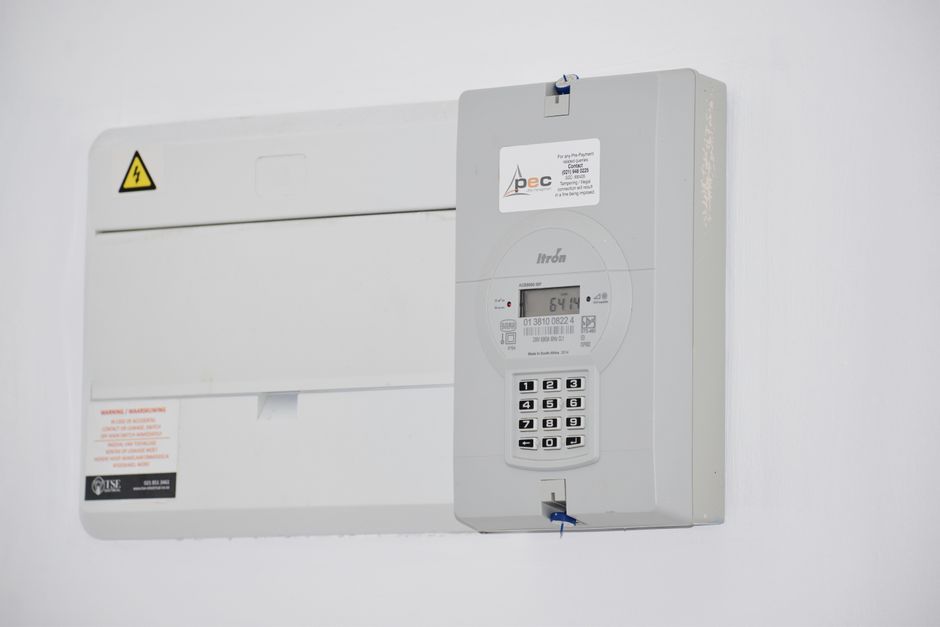
Start by comparing the bill's kilowatt-hours and price per kWh with prior bills, then inspect heating and cooling, filters, ducts, air leaks, and thermostat schedules before buying equipment. A higher bill can come from weather or a higher utility rate even when habits stay steady. Low-cost maintenance and air sealing often deserve priority; replace equipment after the underlying load is clear.
Why did my electric bill suddenly go up even though my habits have not changed?
Your bill can rise without a household behavior change because it reflects both the amount of electricity delivered and the price charged for each unit. The U.S. Energy Information Administration makes the distinction plainly: monthly bills are driven by electricity prices and grid-delivered consumption.
Run the Two-Number Check. Pull the current bill and the same month from last year, then write down the kWh used and the price per kWh. If kWh rose, something is using more electricity. If kWh stayed similar but the price rose, the utility rate is carrying the increase. If both rose, solve the consumption problem first while recognizing that no appliance swap can erase a rate increase.
| What changed? | What it usually means | First move |
|---|---|---|
| kWh increased | More electricity was consumed, often because heating or cooling ran longer. | Compare weather and inspect HVAC operation. |
| Price per kWh increased | Your utility price changed, even if use did not. | Read the bill's rate details and compare prior statements. |
| Both increased | Usage and price are both contributing. | Prioritize low-cost usage fixes, then track the next comparable bill. |
Weather matters because heating and cooling use is largely weather-driven. The EIA also notes that electricity prices are usually highest in summer, when high demand calls on more expensive generation. This is why a comparison to last month can mislead; compare similar seasons instead.
Do not jump from a high total straight to “the refrigerator must be failing.” Start with the bill, then work from the largest likely load outward. That order saves time and prevents a costly equipment purchase built on a guess.
What uses the most electricity in a typical house?
Heating and cooling are the largest annual residential electricity uses, with air conditioning consistently the largest electricity end use in EIA residential survey data. That makes the HVAC system the first place to investigate, not because every high bill is an HVAC failure, but because its runtime can move the total fastest.
Use a Room-to-Equipment Sweep. Walk the house with a short list and look for conditions that force the system to run longer:
- At the thermostat: check whether the schedule changed and whether the system is running at unexpected times.
- At the filter: inspect it and clean or replace it as appropriate. The Department of Energy's home cooling guidance says cleaning or replacing air-conditioner filters can lower an air conditioner's energy consumption by 5% to 15%.
- At vents and ducts: look for rooms that are hard to cool or heat and for accessible duct sections that appear disconnected, damaged, or poorly sealed. DOE says duct air loss accounts for about 30% of a cooling system's energy consumption.
- At windows and exterior openings: notice drafts around doors, windows, plumbing penetrations, and attic access points. These leaks make conditioned air leave and outdoor air enter.
- At comfort clues: flag rooms that stay uncomfortable even when the system runs. That is useful evidence for an HVAC professional or energy auditor.
Ceiling fans belong in the low-cost column. DOE says they can allow you to raise the thermostat setting about 4 degrees F without reducing comfort. The fan is not cooling the room's air; it is helping occupants feel comfortable at a higher setting. Turn it off in unoccupied rooms rather than treating it as a whole-house cooling system.
Should I change my thermostat setting or replace appliances first?
Change the thermostat schedule and address maintenance, air leaks, and ducts before replacing appliances or HVAC equipment, unless an inspection identifies a specific equipment fault. This sequence tackles the demand placed on the system first. A new unit still has to work against leaking ducts, uncontrolled air leaks, and an inefficient schedule.
The Department of Energy's Energy Saver guide calls a home energy audit the first step toward improving home comfort and efficiency. A detailed assessment can include utility-bill comparison, air-leakage testing, duct-leakage testing, and infrared scanning. That gives you a diagnosis instead of an expensive hunch.
Start with the fixes that have a clear mechanism and modest cost. DOE says caulking, sealing, and weatherstripping uncontrolled air leaks can save 10% to 20% on heating and cooling bills. It also says adjusting the thermostat by 7 to 10 degrees F for eight hours a day can save as much as 10% per year on heating and cooling. The exact result depends on the home and schedule, but the priority is sound: reduce unnecessary runtime before buying capacity.
A smart thermostat can help if manual scheduling does not stick. ENERGY STAR estimates that certified smart thermostats save approximately 8% of heating and cooling bills, or about $50 annually on average. That is a useful benchmark, not a guaranteed outcome. Climate, occupancy, comfort preferences, and HVAC equipment all affect results.
Move replacement higher on the list when maintenance and controls do not explain the consumption, comfort remains uneven, or a qualified inspection identifies problems such as refrigerant leaks, electrical-control failure, drainage trouble, or leaking or constricted ducts. DOE reports that efficient new heating or cooling equipment can reduce energy use by 20% or more, and that pairing equipment with insulation, air sealing, and thermostat settings can cut heating and cooling bills by about 30%.
Build a low-cost action plan before you buy
Give the next billing cycle a job: measure whether your first fixes changed the pattern. Record the date, the thermostat schedule, filter service, visible comfort issues, and the next bill's kWh. That is more useful than trying several changes at once and hoping the bill falls.
- Today: compare current and prior bills using the Two-Number Check.
- This week: inspect the filter, check thermostat scheduling, and use ceiling fans only where people are present.
- Next: identify and seal obvious uncontrolled air leaks, then check accessible ductwork for visible issues.
- If the pattern persists: arrange a home energy audit or HVAC inspection and bring the bills and your notes.
If a higher electric bill is reshaping a retirement budget, lowering the home's operating cost and finding income are separate decisions. For the work side of that equation, this guide on flexible work for retirees offers a focused next step.
The assignment is simple: pull two comparable bills, circle kWh and price per kWh, then complete the filter-and-thermostat check before the week ends. Buy equipment only after that evidence points to equipment.
Frequently Asked Questions
How can I tell whether my HVAC system is causing a high electric bill?
Start with the bill pattern: heating and cooling use changes mainly with weather, so compare similar months and look for unusually high kWh during hot or cold periods. Then check the filter, thermostat schedule, and visible duct condition. DOE identifies clogged filters, duct problems, thermostat issues, electrical-control failure, drainage problems, and refrigerant leaks as potential HVAC trouble signs; an energy audit can add air-leakage and duct-leakage testing.
Are smart thermostats worth it for lowering energy costs?
An ENERGY STAR-certified smart thermostat can be worthwhile when it helps your household maintain an efficient schedule without sacrificing comfort. ENERGY STAR reports average savings of approximately 8% of heating and cooling bills, or about $50 per year, while noting that results vary by climate, occupancy, comfort preferences, and HVAC equipment. Treat it as a scheduling tool, not a substitute for a clogged filter, leaky ducts, or uncontrolled air leaks.
What can I do to lower my electric bill without making the house uncomfortable?
Start with maintenance and control: clean or replace cooling filters, use ceiling fans so you can raise the thermostat setting by about 4 degrees F without reducing comfort, and seal uncontrolled air leaks. DOE says sealing and weatherstripping can save 10% to 20% on heating and cooling bills. The practical goal is to reduce wasted runtime, not to make the home unpleasant.
Sources
- U.S. Department of Energy, Energy Saver
- U.S. Energy Information Administration, Use of Electricity
- U.S. Energy Information Administration, Increases in U.S. Residential Electricity Bills in 2023 Were Outpaced by Inflation
- ENERGY STAR, Smart Thermostats FAQs for Energy Efficiency Programs
- U.S. Department of Energy, Energy Saver 101: Home Cooling
- U.S. Energy Information Administration, Prices and Factors Affecting Prices